
Wooden furniture is an investment that can last for generations when properly cared for. From solid oak dining tables and handcrafted wardrobes to antique cabinets and modern hardwood furniture, quality wooden pieces combine durability, beauty, and timeless style. Unlike many synthetic materials, wood develops character over time, making well-maintained furniture even more attractive as it ages.
However, wood is a natural material that responds to changes in temperature, humidity, sunlight, and everyday use. Without regular maintenance, furniture may develop scratches, cracks, fading, moisture damage, or even become vulnerable to wood-boring insects in certain circumstances. Fortunately, a few simple maintenance habits can preserve the appearance and structural integrity of wooden furniture for decades.
In this guide, you’ll learn the best practices for caring for wooden furniture, preventing damage, and extending its lifespan.
Why Wooden Furniture Needs Regular Care
Although wood is naturally durable, it is affected by its environment.
Common factors that influence wooden furniture include:
- Humidity
- Temperature changes
- Sunlight
- Moisture
- Everyday wear
- Dust
- Accidental spills
Routine maintenance helps reduce long-term damage while preserving the furniture’s natural beauty.
Choose the Right Location
Where you place your furniture has a major impact on its longevity.
Avoid positioning wooden furniture:
- In direct sunlight
- Next to radiators
- Close to fireplaces
- Near heating vents
- In damp basements
- Against walls with persistent moisture problems
A stable indoor environment helps minimize expansion, contraction, and surface damage.
Maintain Stable Humidity
Wood naturally expands and contracts as humidity changes.
Very dry air may contribute to:
- Shrinkage
- Small surface cracks
- Loose joints
Excess humidity may encourage:
- Swelling
- Warping
- Mold growth
Maintaining moderate indoor humidity throughout the year helps preserve furniture.
Dust Regularly
Dust may seem harmless, but it can gradually scratch wooden surfaces during everyday use.
Use:
- A soft microfiber cloth
- A lint-free cotton cloth
- Gentle dusting tools
Avoid abrasive materials that may damage protective finishes.
Clean Carefully
For routine cleaning:
- Wipe with a slightly damp cloth.
- Dry immediately using a soft cloth.
- Avoid soaking the wood.
- Clean spills promptly.
Use cleaning products recommended for finished wood surfaces and always follow the manufacturer’s instructions.
Protect the Surface
Simple precautions can prevent unnecessary wear.
Use:
- Coasters for drinks
- Placemats
- Tablecloths when appropriate
- Felt pads beneath decorative objects
- Protective pads under furniture legs
These small habits help prevent scratches, stains, and pressure marks.
Avoid Excess Moisture
Water is one of wood’s greatest enemies.
Never allow standing water to remain on wooden surfaces.
Promptly wipe up:
- Beverage spills
- Plant water
- Condensation
- Cleaning residue
Keeping furniture dry helps maintain both its appearance and structural stability.
Maintain Protective Finishes
Many wooden furniture pieces are protected by:
- Oils
- Wax
- Varnish
- Lacquer
- Polyurethane finishes
Inspect the finish periodically for:
- Dull areas
- Scratches
- Peeling
- Surface wear
Refinishing or reapplying protective products when appropriate helps extend the life of the furniture.
Prevent Scratches
Reduce unnecessary wear by:
- Lifting furniture instead of dragging it.
- Avoiding sharp objects on wooden surfaces.
- Using protective pads under accessories.
- Keeping pet claws trimmed if pets frequently climb on furniture.
Minor scratches are often easier to repair when addressed early.
Inspect for Signs of Woodworm
Although modern indoor furniture is less commonly affected than structural timber, woodworm can occasionally occur, particularly in antique or previously stored furniture.
Watch for:
- Small round exit holes
- Fine powdery wood dust (frass)
- Weak or crumbly wood
- Adult beetles appearing during warmer months
A professional assessment can determine whether any infestation is active.
Store Furniture Properly
If wooden furniture must be stored:
- Choose a dry, well-ventilated space.
- Avoid direct contact with concrete floors.
- Protect against excessive humidity.
- Allow airflow around the furniture.
- Cover with breathable materials rather than airtight plastic.
Proper storage helps prevent moisture damage and mold growth.
Modern Woodworm Treatment Options
If an active woodworm infestation is confirmed, treatment depends on:
- Beetle species
- Severity of infestation
- Furniture condition
- Accessibility
Professional options include approved chemical treatments and modern heat-based technologies.
Microwave Woodworm Treatment
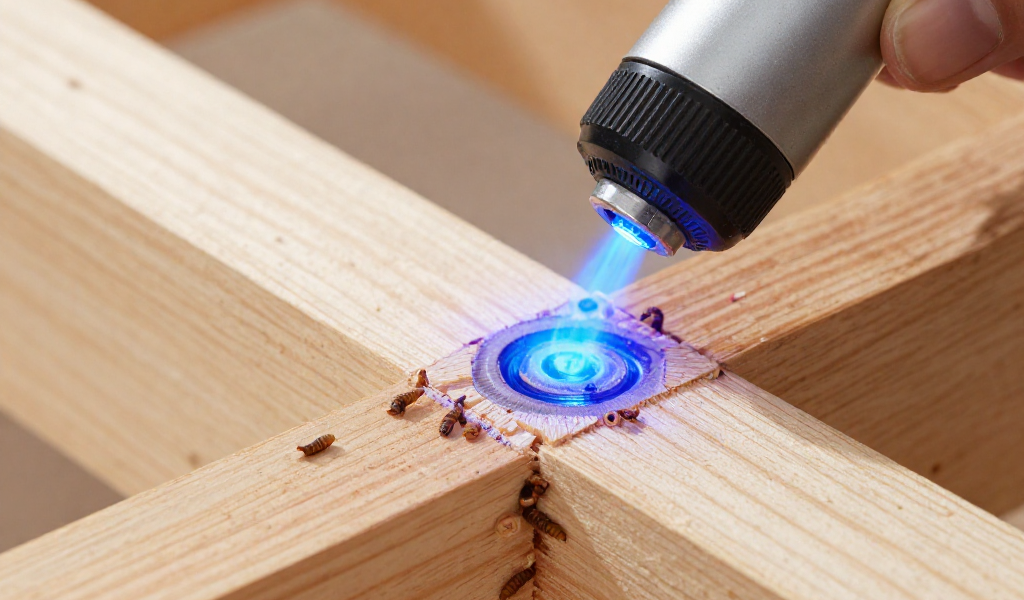
One increasingly popular chemical-free option is microwave woodworm treatment.
Professional microwave equipment generates controlled heat inside timber using dielectric heating, raising the internal temperature to levels that eliminate:
- Woodworm larvae
- Beetle eggs
- Pupae
- Adult wood-boring beetles
Benefits
- Chemical-free
- No pesticide residues
- Localized treatment
- Environmentally responsible
- Helps preserve original furniture
- Suitable for many solid wood items where professional assessment confirms it is appropriate
A timber preservation specialist or furniture restoration expert can advise whether this treatment is suitable.
Annual Furniture Maintenance Checklist
At least once each year:
- Inspect protective finishes.
- Clean thoroughly.
- Check for loose joints.
- Tighten hardware if necessary.
- Look for signs of moisture damage.
- Inspect for insect activity.
- Polish or refinish if appropriate.
- Rotate furniture exposed to sunlight.
Routine maintenance keeps furniture looking its best for decades.
Common Mistakes to Avoid
Avoid these common errors:
- Using harsh household cleaners.
- Leaving spills untreated.
- Placing hot objects directly on wood.
- Allowing furniture to remain in damp environments.
- Ignoring scratches or peeling finishes.
- Skipping regular inspections.
Small preventive measures greatly reduce long-term damage.
Common Myths About Wooden Furniture
Myth 1: Solid Wood Furniture Doesn’t Need Maintenance
Fact: Even high-quality hardwood furniture benefits from regular cleaning, moisture control, and protective care.
Myth 2: Furniture Polish Fixes Every Problem
Fact: Polish improves appearance but cannot repair structural damage, moisture issues, or active woodworm infestations.
Myth 3: Antique Furniture Is Too Fragile to Maintain
Fact: Many antique pieces remain functional and beautiful for generations when maintained and restored by experienced professionals.
When Should You Contact a Professional?
Professional advice is recommended if you notice:
- Fresh frass.
- New exit holes.
- Soft or weakened wood.
- Loose structural joints.
- Significant cracking.
- Water damage.
- Peeling finishes over large areas.
- Signs of active insect activity.
A qualified furniture restoration specialist or timber preservation expert can inspect the piece and recommend appropriate restoration or treatment options.
Conclusion
Wooden furniture is designed to last, but its longevity depends on proper care. By maintaining stable indoor conditions, cleaning gently, protecting surfaces, controlling moisture, and inspecting furniture regularly, homeowners can preserve both the beauty and structural integrity of their wooden pieces for decades. Preventive maintenance is far more effective than waiting until damage becomes severe.
If woodworm is discovered, professional treatment—whether through approved chemical products or modern chemical-free technologies such as microwave woodworm treatment—can help preserve valuable furniture while minimizing disruption. With consistent care and timely maintenance, quality wooden furniture can remain a treasured part of your home for generations.Visit online https://www.shashel.eu for more details.
