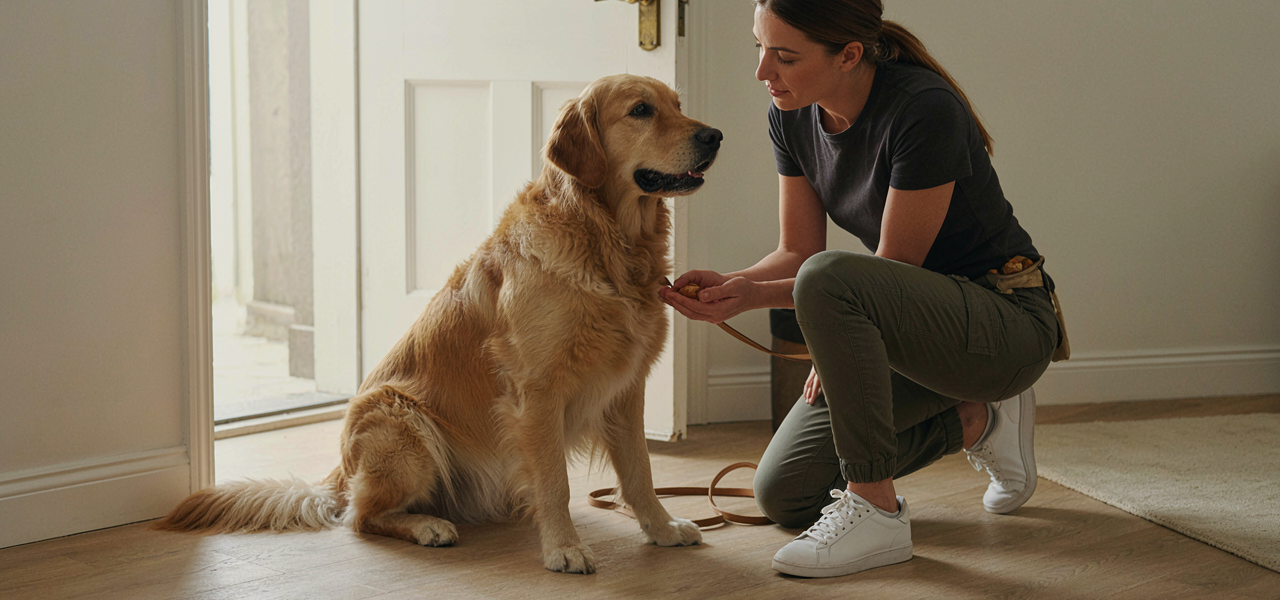

Bringing home a puppy is an exciting experience, but raising a well-mannered companion requires more than affection and good intentions. Puppy obedience classes provide structured guidance that helps puppies learn appropriate behaviors while teaching owners how to communicate clearly and consistently. At Rob’s Dog Training, early training focuses on building confidence, reliability, and a stronger relationship between dogs and their families.
Puppies learn through repetition, positive experiences, and clear expectations. Starting training early allows owners to address common challenges such as jumping, chewing, barking, and poor leash manners before these behaviors become difficult habits.
Professional training is not only about teaching commands like sit, stay, or come. It is about helping puppies understand how to respond in different situations while giving owners the skills needed to support their development and maintain progress at home.
Why Early Puppy Obedience Training Matters
The first months of a puppy’s life are an important period for learning and social development. During this stage, puppies are naturally curious and ready to explore their environment. Proper guidance helps them understand boundaries and develop appropriate responses.
Puppy obedience classes introduce young dogs to structured learning in a controlled setting. These classes can help puppies practice important skills while becoming comfortable around new people, sounds, environments, and other dogs.
Early training can support:
- Better communication between dogs and owners
- Improved impulse control
- Safer interactions with people and animals
- More reliable responses to everyday commands
- Greater confidence in unfamiliar situations
A puppy that learns positive behaviors early is more likely to become a balanced adult dog. Training creates habits that continue throughout a dog’s life.
What Puppies Learn in Obedience Classes
Effective puppy training goes beyond memorizing commands. A quality obedience program focuses on practical skills that dogs need in everyday life.
Basic Commands and Everyday Manners
Commands such as sit, down, stay, and come provide essential communication tools. These behaviors help owners guide their puppies safely at home, during walks, and in public settings.
Training also focuses on manners, including:
- Waiting calmly instead of rushing through doors
- Greeting people without excessive jumping
- Walking politely on a leash
- Settling down in different environments
These skills make daily routines easier and help puppies understand what behaviors are expected.
Socialization and Confidence Building
Socialization is a major part of puppy development. A well-socialized puppy learns how to respond appropriately to different people, animals, places, and experiences.
Positive exposure during puppyhood can help reduce fear and uncertainty. However, socialization should be approached carefully. Puppies need safe and controlled experiences that match their comfort level.
Professional puppy obedience classes provide opportunities for supervised interaction while helping owners recognize body language and stress signals.
How Puppy Obedience Classes Support Owners
Many owners assume dog training is only about changing a puppy’s behavior. In reality, training also teaches people how to become better handlers.
Consistency is one of the most important parts of successful training. Puppies learn faster when everyone in the household follows the same expectations and uses similar communication methods.
Obedience classes help owners understand:
- How dogs learn through repetition and reinforcement
- How to provide clear instructions
- How to prevent unwanted behaviors
- How to create productive training routines
A knowledgeable owner can continue building skills long after formal classes end.
Choosing the Right Puppy Training Program
Not all training programs use the same methods or approach. Choosing the right program requires considering the puppy’s age, personality, learning style, and specific needs.
A strong puppy training program should focus on:
Experienced Guidance
A qualified trainer understands canine behavior and knows how to adjust training methods based on each dog’s temperament. Puppies do not all learn at the same pace, so personalized guidance is valuable.
Positive Learning Experiences
Training should encourage cooperation and engagement. Puppies respond best when lessons are clear, consistent, and rewarding.
Practical Skills
The most useful training programs focus on behaviors that owners encounter every day. A puppy should learn skills that help them succeed at home, around visitors, and in public environments.
Common Puppy Behavior Challenges Training Can Address
Puppies naturally explore the world, but some behaviors can become frustrating without proper direction. Obedience training gives owners practical strategies for managing common challenges.
Excessive Barking
Barking is a normal form of communication, but puppies need guidance to learn when barking is appropriate. Understanding the reason behind barking is the first step toward addressing the behavior.
Biting and Chewing
Puppies use their mouths to explore, especially during early development and teething stages. Training helps redirect these behaviors toward appropriate toys and activities.
Leash Pulling
Walking calmly on a leash is an important skill for safety and enjoyment. Puppy obedience training teaches dogs how to stay connected with their owners during walks.
Lack of Focus
Young dogs often become distracted by new sights, smells, and sounds. Training exercises help puppies practice attention and responsiveness in different environments.
The Role of Consistency After Puppy Classes
Completing puppy obedience classes is only the beginning of a dog’s training journey. Continued practice at home is necessary for maintaining progress and reinforcing learned behaviors.
Short, regular training sessions are often more effective than occasional long sessions. Owners can incorporate training into daily activities by practicing commands during walks, meals, and playtime.
Helpful habits include:
- Practicing commands in different environments
- Rewarding desired behaviors consistently
- Keeping training sessions positive and engaging
- Setting realistic expectations based on the puppy’s age and development
Patience is essential. Puppies are still learning how to navigate the world, and steady guidance helps them develop reliable habits.
Building a Strong Relationship Through Training
Training is not simply about creating an obedient dog. It is about developing trust and understanding between a puppy and its owner.
When dogs understand what is expected of them, they often feel more confident. When owners understand how their dogs communicate, they can respond more effectively.
A strong training foundation can support many aspects of life, from peaceful evenings at home to enjoyable walks and positive social experiences.
The relationship built during training often becomes one of the most rewarding parts of dog ownership.
Start Building Better Habits With Puppy Obedience Classes
A puppy’s early experiences can shape their future behavior and confidence. Puppy obedience classes give young dogs valuable skills while helping owners develop the knowledge needed for long-term success.
With structured lessons, consistent practice, and professional guidance, puppies can learn how to respond appropriately in everyday situations. Training creates a clearer connection between dogs and owners, making life together more enjoyable.
For owners looking for professional support, Rob’s Dog Training provides training services designed to help dogs develop reliable behaviors and stronger communication with their families.
